Tokyo to Saigon — It Started with One Message
On the last working day of 2022, a single message from a friend in Vietnam started our adventure in Ho Chi Minh City. A company with no work yet, and a first meeting with a team of six science-major guys — the story of how we came to build one company across the sea.
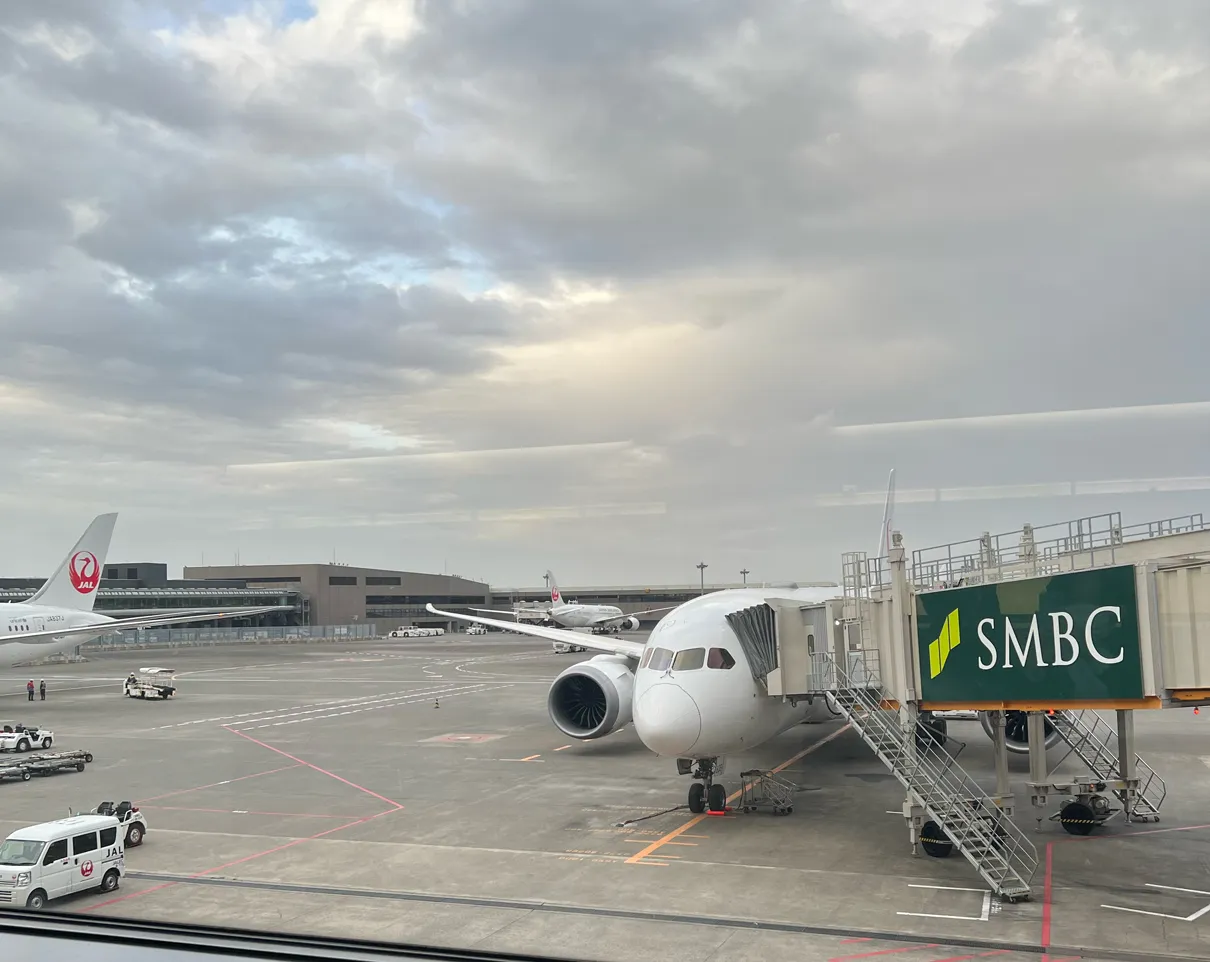
December 30, 2022. I was working right up to the eve of New Year’s Eve.
The staff and our partners were all off, and Slack was quiet. Finally, some time to lose myself in programming — or so I thought, when a message came in from my friend in Vietnam, Hector.
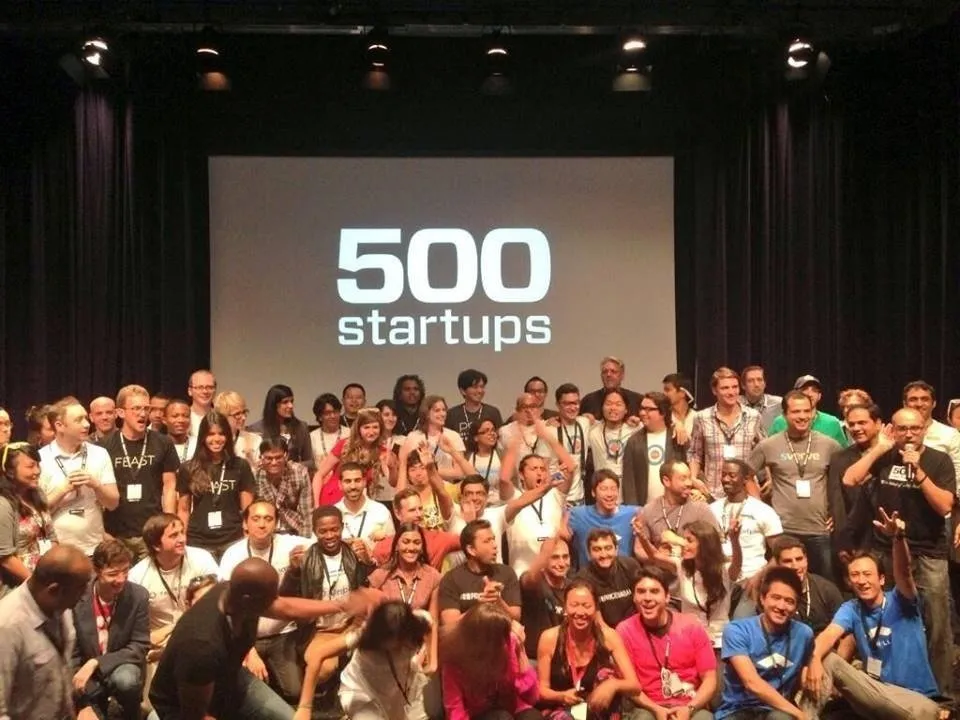
Hector and I met ten years ago at the 500 Startups accelerator, the well-known Silicon Valley venture program. He was the lead engineer of a startup chosen from Vietnam; I had joined a friend’s startup as a developer for just the second half of the program. Both programmers, both Asian, our tables right next to each other — we hit it off immediately.
His message was to tell me that his company’s investor had collapsed, and they had to close the company. But he wanted to keep working with his core team of five. If there was a project they could all build together, he wanted to take it and keep the team intact. Did I have any work? — that was the message.
For a few years before the pandemic, I had wanted to start a company in Vietnam. I’d done research, taken on Vietnamese interns, and I’d told Hector about all of it. So things moved fast. Could we set up a company in Vietnam and build a structure where the projects Goldrush Computing runs in Japan could be shared across the sea?
The last working day of the year. I’d been planning to go home and have a beer. Instead, out of nowhere, came a genuine turning point in my life.
A company with no work yet
There was a reason I could decide so fast. Going back ten years, I’d teamed up with Vietnamese engineers and designers more than once, and each time I came away with the same feeling: the pace and the communication just click with these people. Someday I wanted to open an office in Ho Chi Minh City and work alongside them. I’d been holding onto that idea for a long time.
That said, opening a company on the ground does not make work start flowing. In the early days, honestly, there was a long stretch with no new projects for the Vietnam team at all.
I remember the day I met the team for the first time. Goldrush is an office full of women; the Ho Chi Minh team was the exact opposite — six science-major guys. When I opened the office door, all of them were there, smiling, to welcome me.
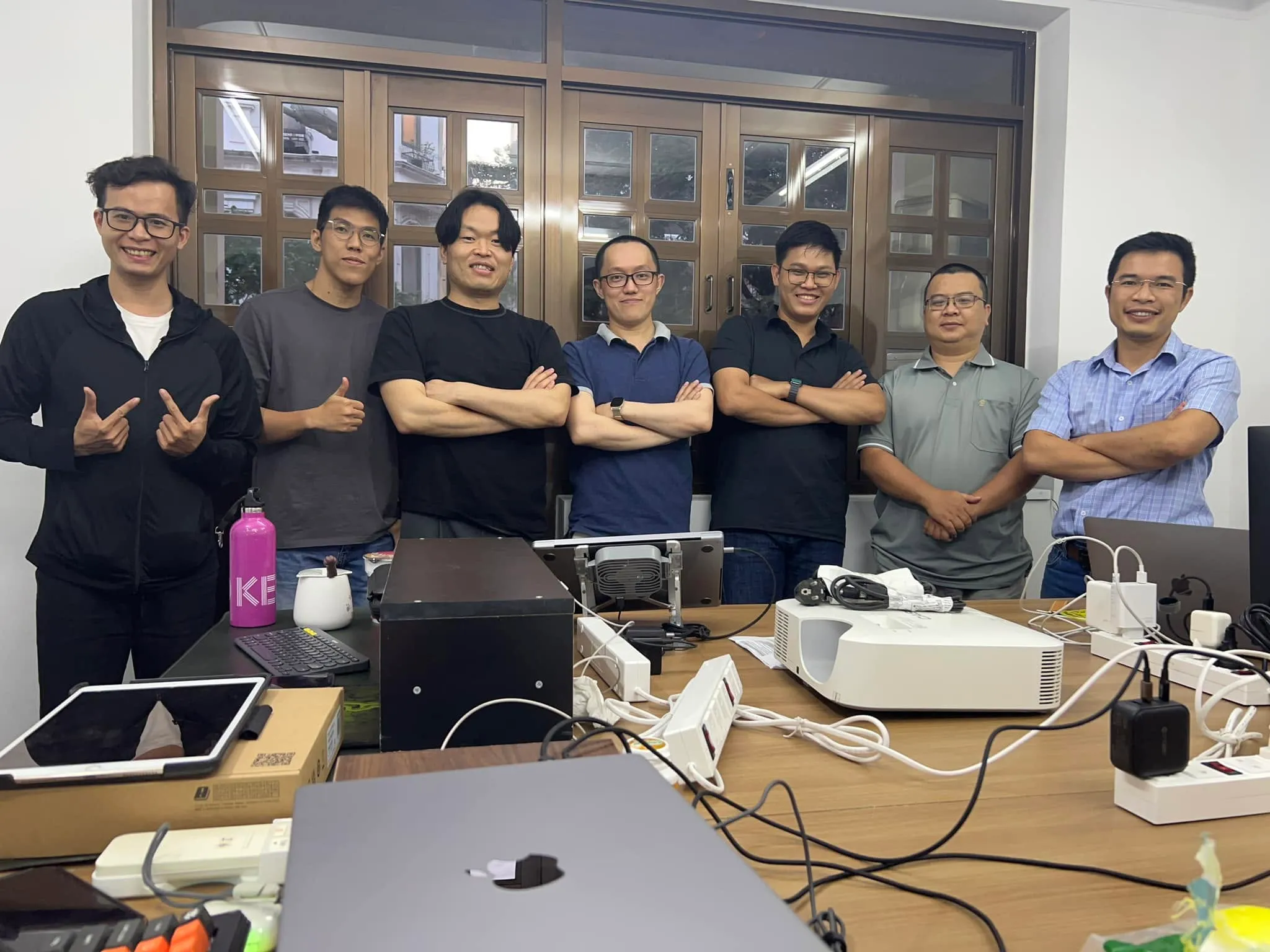
There were only desks in the office. Everyone brought monitors from home, or set their Mac on a little wooden box to raise it to eye level. Until the company was officially registered it didn’t legally exist, so anything bought in that window couldn’t be expensed — which meant the external monitors came out of my own pocket. And with no work yet, our weekly meetings had no agenda. A junior engineer, L, suggested a question — “What’s the worst thing you’ve ever eaten?” — and we’d all answer, doubling as English speaking practice.
Days of feeling our way through a tunnel. But little by little, some light started to show.
And then, a big decision
The company took shape, little by little. But once we cleared the startup phase, I was forced into a decision that would shape the company’s future — over a large project we’d won in Vietnam.
Stories about new ventures overflow with how to begin. But after a long time building products, the part I find genuinely hard isn’t starting. It’s deciding where to cut, what to end, and what to keep. I wrote about that first great test in the next article, “The Only Way Out of a Death March.”