
NVIDIA GTC 2025 On-Site Report
 #NVIDIA #GTC #AI #GPU
 To attend NVIDIA’s annual AI conference, GTC 2025, I pulled my leather jacket out of the closet and headed to San Jose. About nine hours from Narita to San Francisco, then a hop across BART and Caltrain, watching Mountain View — where I spent a month in the 500 Startups accelerator twelve years ago — slide past the window as I arrived in San Jose. From here, six days of living inside the AI frontier began, morning to night. At Goldrush Computing we design and build AI products for a living, so the first-hand knowledge gathered on the ground goes straight into our daily work.
The pre-day: humbled by an eight-hour workshop
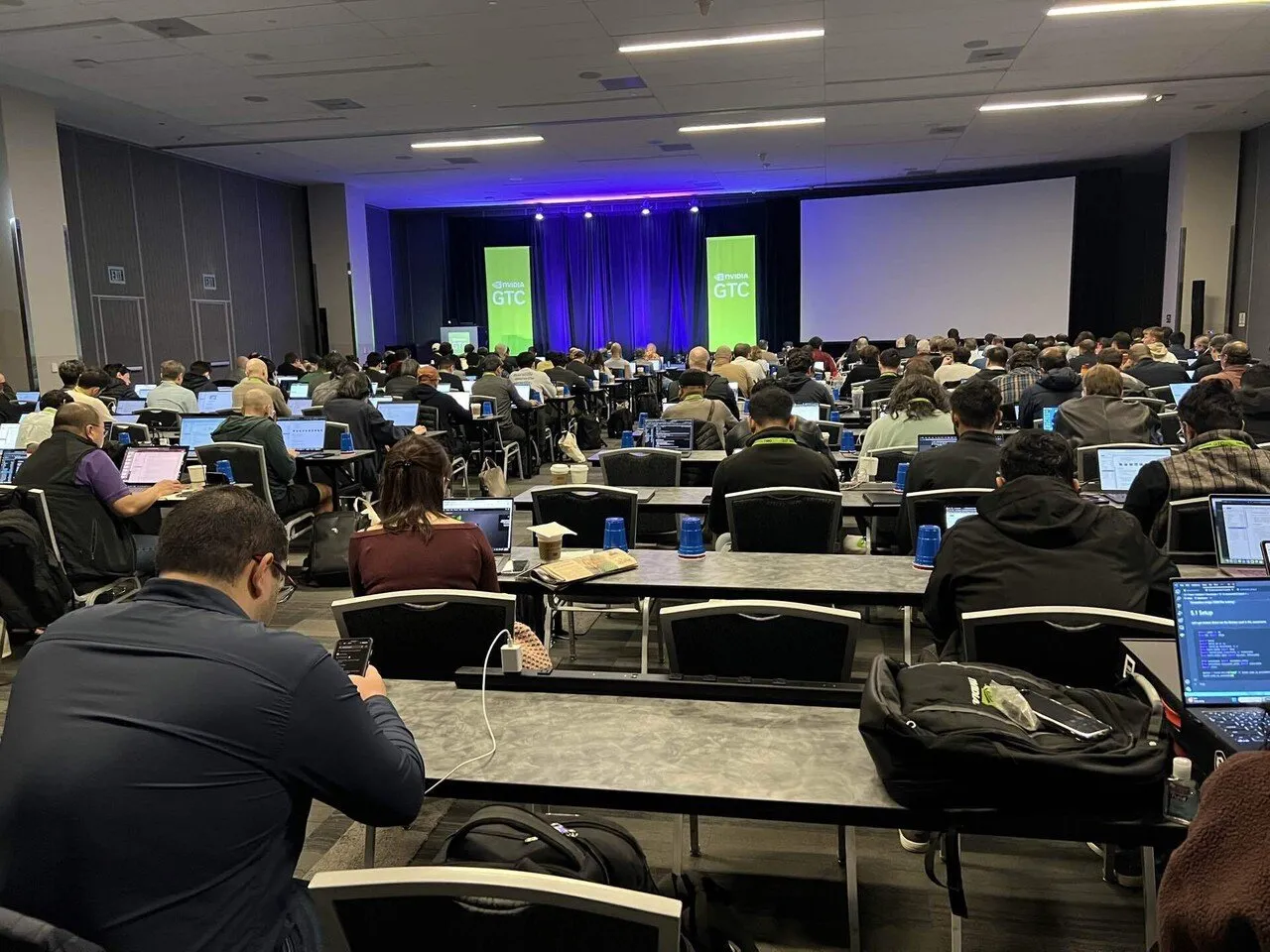
Paid full-day workshops run the day before the official opening. I had signed up for “Building AI Agents with Multi-Modal Models.” I had assumed multimodal was my home turf — a serious case of overconfidence. The cheerful Cuban instructor opened with how to fuse camera imagery and LiDAR data in vector space, then dove straight into tokenization, attention mechanisms, and just how much GPU memory the KV cache consumes — the kind of NVIDIA-grade fundamentals you would expect. The Jupyter Lab exercises came one after another, capped by a certificate-bearing assessment. Looking around, the room was full of older engineers, which reassured me at first — until I realized they were a super-knowledgeable crowd who breezed through every task without breaking a sweat. When I got stuck, the older gentleman next to me answered instantly. After the workshop, as I rested at a table in the hall, a friendly Indian gentleman struck up a conversation. It turned out he had sold the GPU-infrastructure company he founded to NVIDIA just seven months after establishing it. Silicon Valley, I remembered after twelve years, is a place where people like that simply strike up a conversation with you.
Day one of sessions: AI implementations from around the world
Once the sessions began in earnest, the sheer diversity was overwhelming. One standout was Sarvam, a homegrown Indian LLM aiming to support all 22 of India’s scheduled languages; on tasks across ten languages, they reported accuracy beating Llama-3.1-8B and GPT-4o — a presentation charged with national ambition.
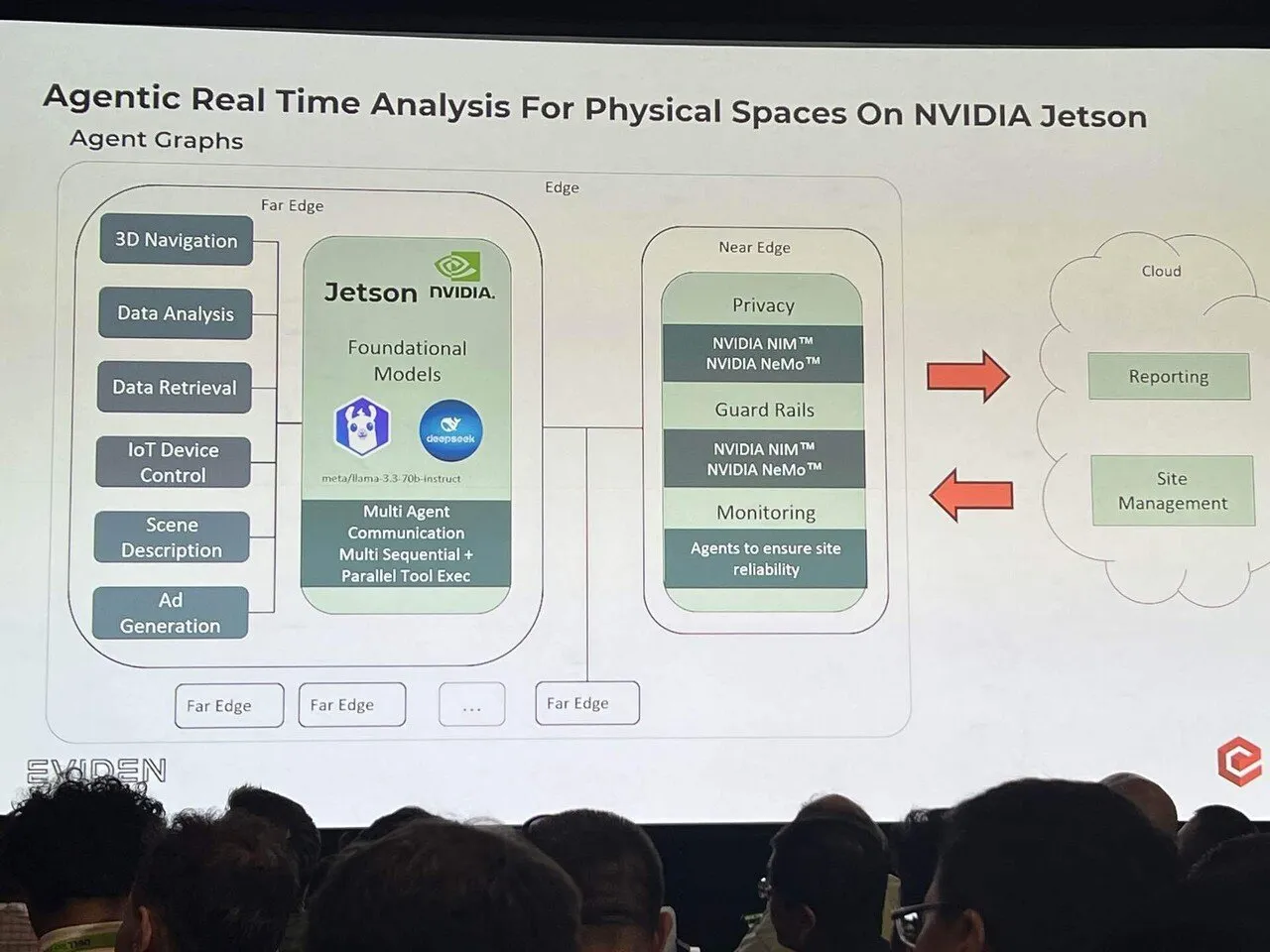
An edge-AI session analyzed customer sentiment from a retail store’s camera feed to serve the most fitting signage, building a digital twin of the supermarket in Omniverse to simulate the entire pipeline — genuinely impressive. The cameras were wired to a Jetson and ran their analysis on-site, and as a former embedded engineer my interest in edge computing came roaring back.
A session by a Chinese team on a “voice-conversation AI companion inside a game” was equally striking: they had built their own speech-recognition, language-generation, and speech-synthesis models and optimized them thoroughly to keep responses under one second.
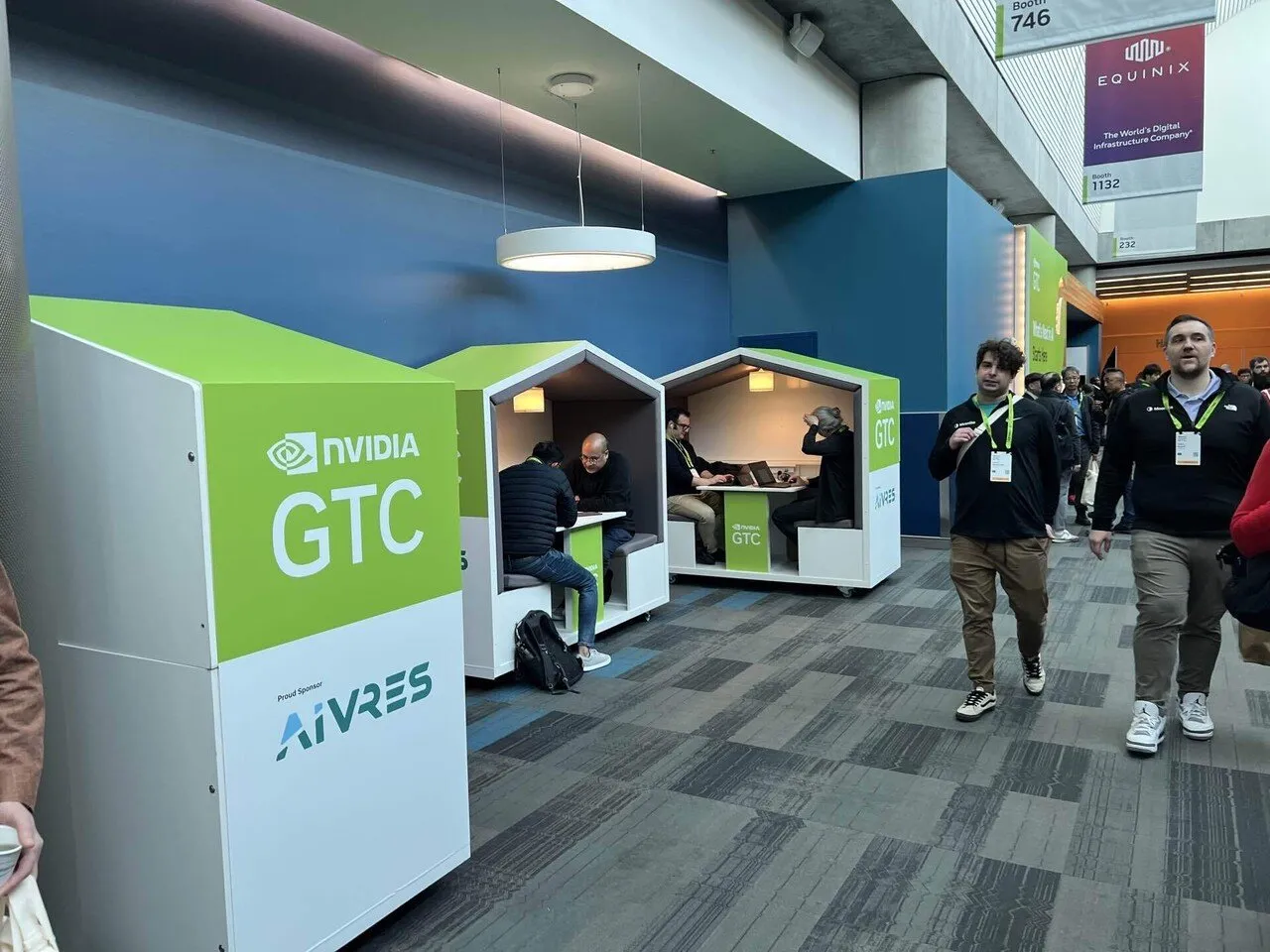
The real magic of the venue is the conversation with whoever sits beside you. In the beer line at the poster session, NVIDIA chief scientist Bill Dally queued up right behind me; and in one of the little two-seat “One on One” booths, a former Navy gentleman — who was building a platform for fully AI-personalized marketing, and, separately, a data center on a Native American reservation to preserve data sovereignty — nudged me forward with, “Now is the best time to start something new.”
Jensen Huang’s keynote
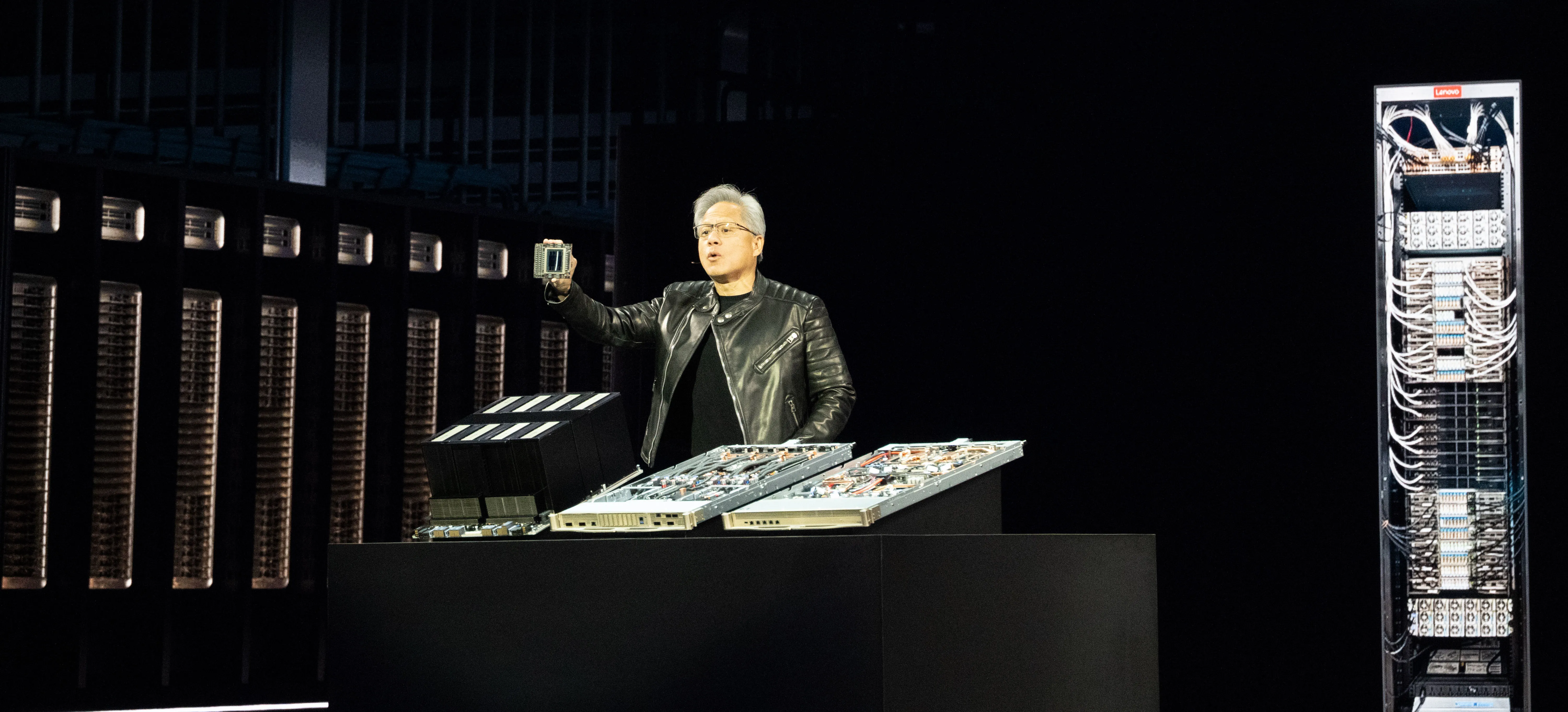
To watch the main event — Jensen Huang’s keynote — from up close on day three, I lined up at the SAP Center three hours before it started. The lighting in the hall was exactly like the scene when Steve Jobs unveiled the iPhone in this very SAP Center. Jensen took the stage in an actual leather jacket and talked for two and a half hours, stitching together numbers of wildly different units and magnitudes — petaflops, watts, token counts — doing the arithmetic in his head on the fly.
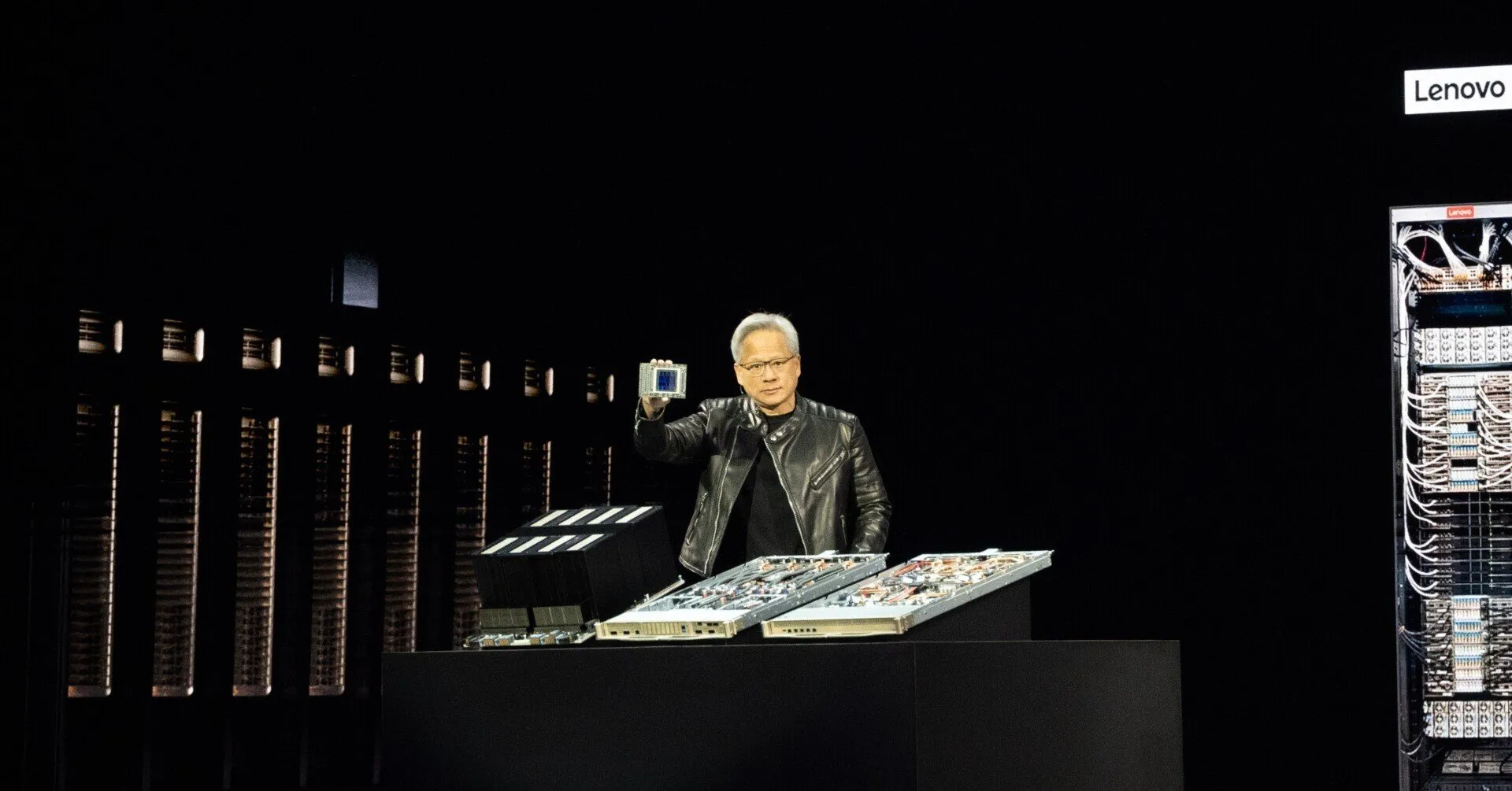
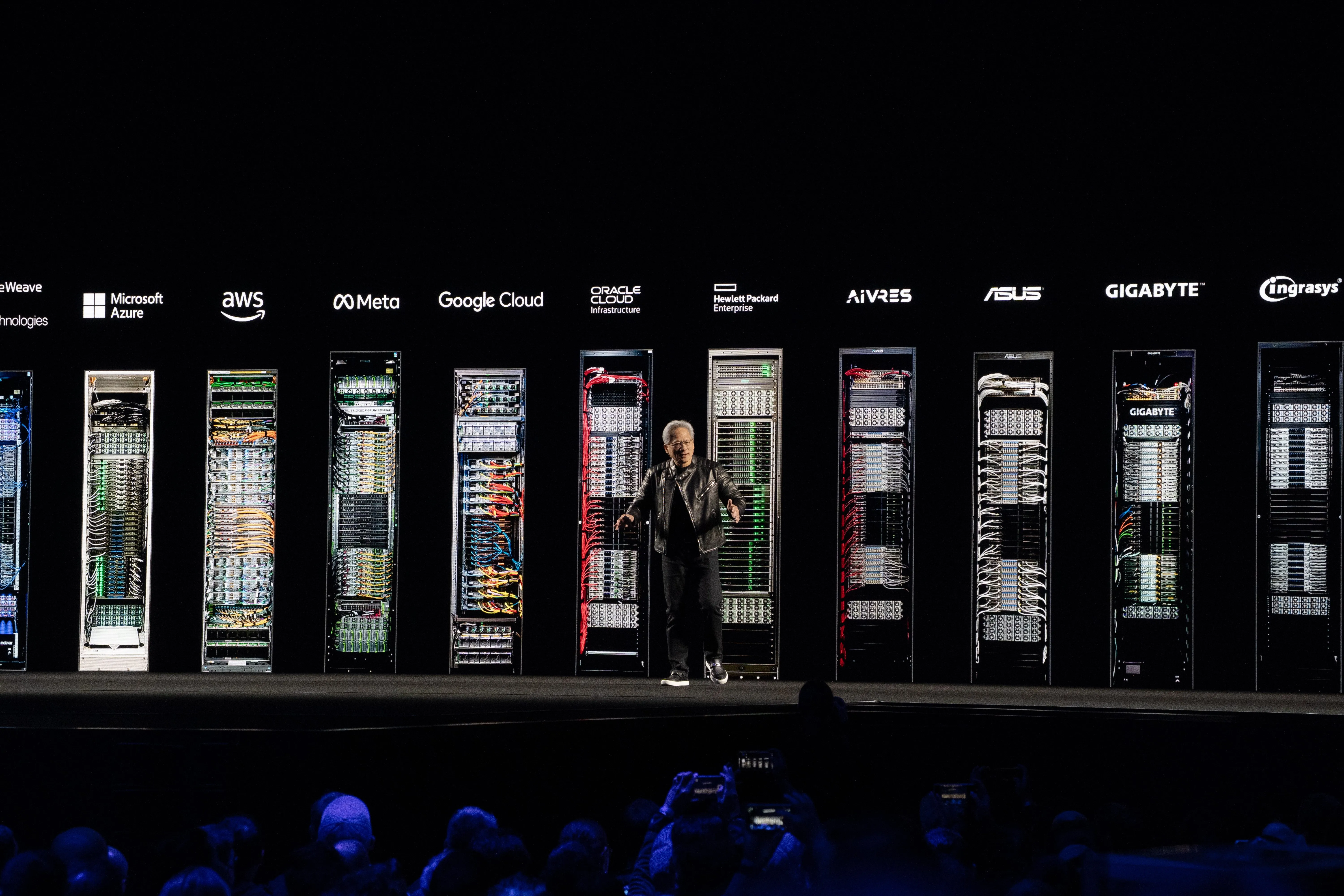
“The data center becomes an AI Factory; the computer stops being a machine that reads out stored data and becomes one that generates tokens.” “Blackwell delivers 40x the throughput of Hopper.” “Enterprise AI adoption hinges on agentic technology, and NVIDIA’s agents become the enterprise workforce.” Products that looked scattered at a glance — GPUs, cables, CUDA, its libraries, its platforms — clicked into place as pieces of a single future designed years in advance. The keynote closed with Jensen chatting with a Disney robot, a warm ending.
The frontier of speech synthesis and agent frameworks
What resonated most with my own interests was “Speech AI Demystified.” Traditionally you train a TTS model on text produced by an STT model; here they used a transformer to generate audio tokens from speech and trained the TTS on those instead — reproducing a person’s voice from a mere 30-second sample. They went further, into speech-native LLMs that understand audio directly to generate a reply, and even LLMs whose input and output are both audio. Having once built a PoC on the STT → LLM → TTS pattern, I felt the ground shifting beneath it.
Another highlight was a workshop where I got to touch NVIDIA’s just-announced agent framework, “AgentIQ.” True to the speaker’s line — “you are the first customers in the world to touch AgentIQ’s code” — I got hands-on with the mechanism for assembling tasks from Workflows and Functions. It was a moment when I could finally face head-on the unfinished homework from two years ago, when I had struggled to generalize the controller that binds state management and RAG in a chat-based AI-agent PoC. A multimodal RAG session laid bare the raw challenges of getting an LLM to accurately interpret tables and charts in a PDF, and how to decide chunk sizes — conveyed together with the speaker’s palpable intensity. That intensity is exactly what makes hearing it in person so valuable.
Final day: hands-on with real Jetsons and AWS
I closed the week with a workshop, “NVIDIA Jetson and AWS IoT Greengrass,” where every attendee got a physical Jetson to themselves — a dense session, with even a loaned IAM account and AWS environment, that must have been a logistical feat for the organizers to run.
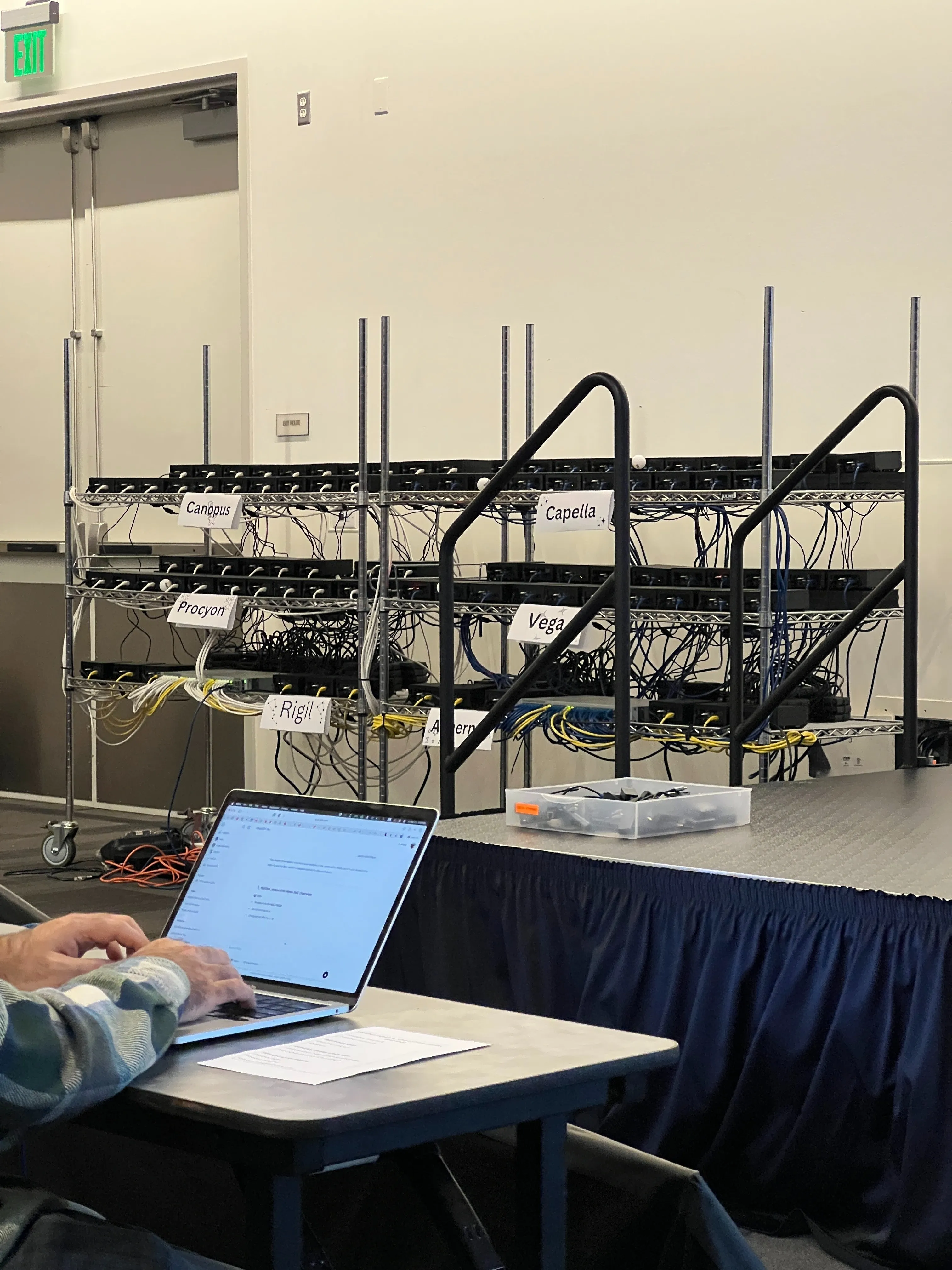
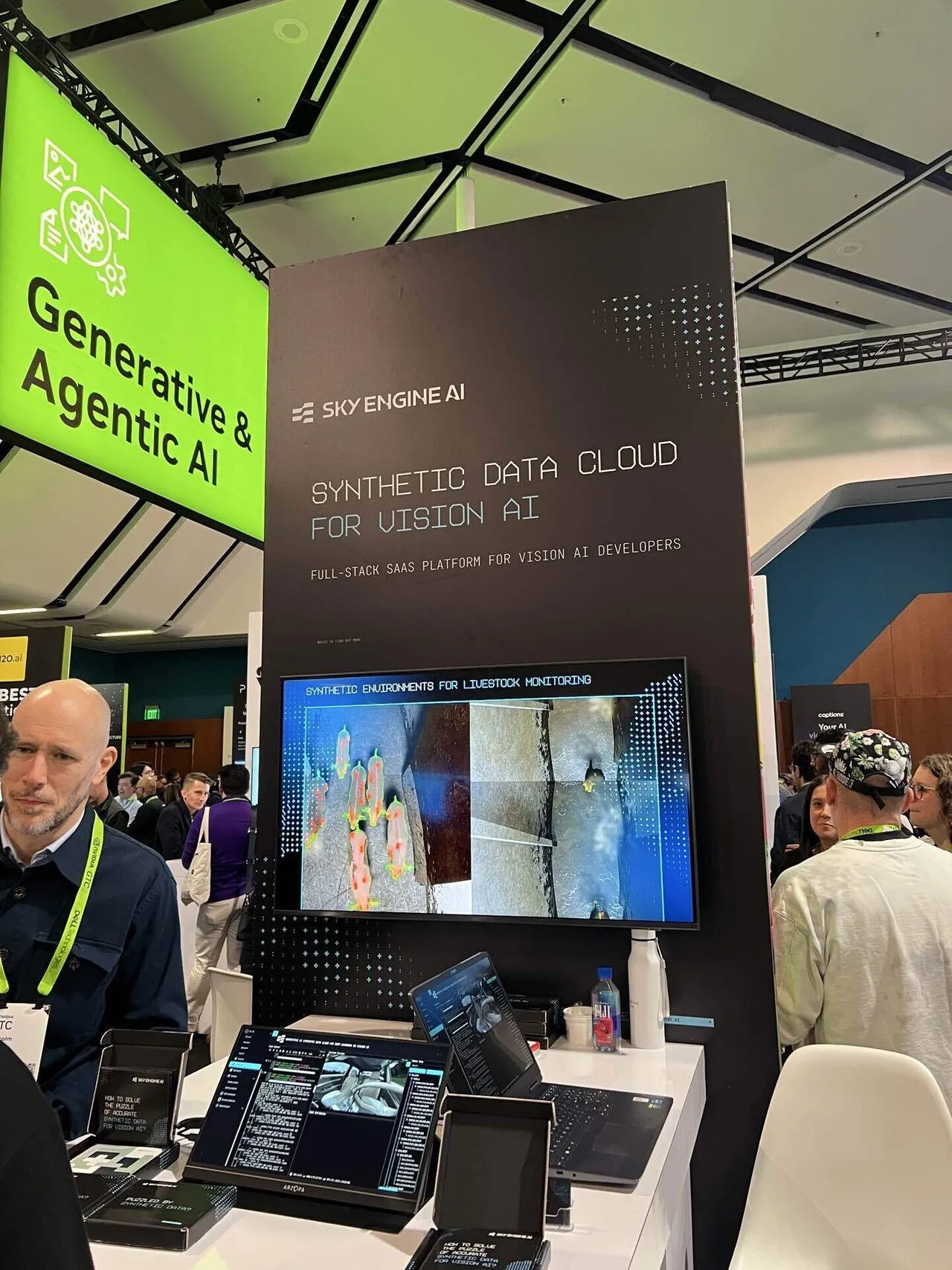
We deployed programs to the Jetson via Greengrass, from a “blink the LED” hello-world to a simultaneous deploy across a device group. My pair was Geoffrey, a Chinese executive and one of only about 200 Microsoft Regional Directors worldwide. When we deployed components together, one Jetson lit up green and the other pink; we got so absorbed in tracking down the cause that we ran out of time — and never reached the most interesting exercise, video-stream analysis. Among the startup exhibits, two stuck with me: DMKTZ, which reproduces a digital twin of fabric down to the level of physical laws, and SKY ENGINE AI, which attaches per-pixel depth and reflection-angle metadata to photos shot in a virtual space. They are companies useful for debugging vision AI, and ones I would love to introduce in Japan.
Six days on an average of three hours of sleep, soaking in the AI frontier. Every single conversation on the show floor and the tactile feel of real hardware are things online viewing could never provide. I will fold the insights and momentum gained here back into Goldrush Computing’s AI product development.